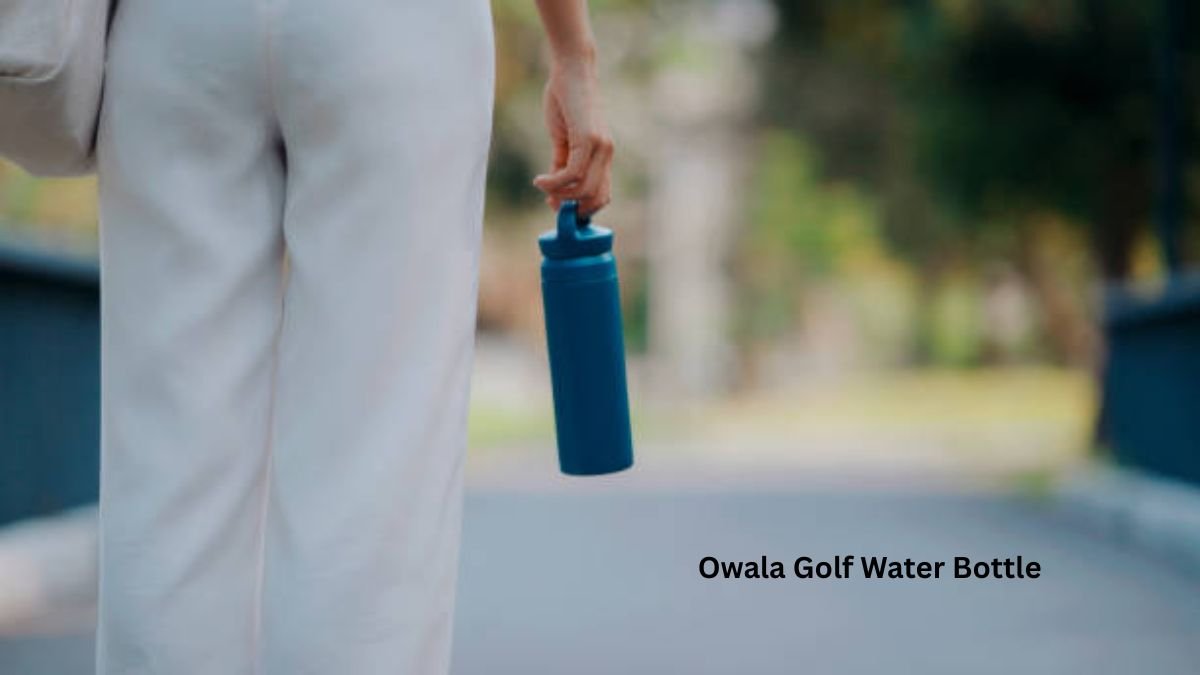
Selecting the right water bottle for hiking is essential for staying hydrated, comfortable, and prepared during outdoor adventures. Whether you are exploring mountain trails, national parks, forests, or countryside routes, carrying enough drinking water plays an important role in supporting physical activity and managing changing weather conditions.
For hiking enthusiasts across the USA, outdoor conditions can vary considerably. A short trail in a local park requires different preparation from a challenging mountain hike or a long-distance backpacking trip. Temperature, trail difficulty, hiking duration, elevation, and access to safe drinking water all influence the type and capacity of bottle you may need.
A good hiking water bottle should balance durability, portability, capacity, ease of use, and cleaning convenience. Some hikers prefer lightweight plastic bottles, while others choose stainless steel or insulated options for their durability and temperature control.
SipWaterBottle focuses on helping outdoor enthusiasts understand practical hydration products and choose bottles suited to their activities. From a practical perspective, the best bottle is one that provides convenient access to safe drinking water without adding unnecessary weight to your backpack.
What Features Should a Water Bottle for Hiking Have?
Durability, Capacity, Weight, and Leak Protection
A common question is, “What should I look for in a water bottle for hiking?” Several features can influence how well a bottle performs during outdoor activities.
Durable construction: Hiking bottles should withstand regular handling, transportation, and occasional impacts. Stainless steel and appropriate reusable plastic materials are common options, although their weight and insulation properties differ.
Lightweight design: Carrying excess weight can become tiring during long hikes. A lightweight bottle may be more convenient for backpackers covering significant distances.
Leak-resistant lid: A secure closure helps prevent water from spilling onto clothing, food, electronics, and other equipment inside a hiking backpack.
Practical capacity: Larger bottles provide more water but become heavier when filled. Smaller bottles are easier to carry but may require additional refills.
Easy drinking access: Wide-mouth openings, screw caps, and drinking spouts offer different advantages. Wide openings can make filling and cleaning easier, while accessible drinking lids may be more convenient during short breaks.
Cleaning convenience: Bottles with simple designs and accessible interiors are generally easier to maintain after repeated outdoor use.
SipWaterBottle encourages hikers to evaluate these features according to their trail conditions, activity duration, and personal preferences.
How to Choose the Best Water Bottle for Hiking in the USA
Which Bottle Size Is Suitable for Different Hiking Trips?
When choosing a water bottle for hiking, capacity is one of the most important considerations.
For short walks or easy hikes with dependable access to safe drinking water, a smaller bottle may be sufficient. However, longer routes and remote trails generally require carrying additional water.
Common hiking bottle capacities include:
- 500 ml to 750 ml: Convenient for short hikes, walking trails, and activities where safe water refills are available.
- 1 litre: A practical general-purpose capacity for many day hikes when combined with an appropriate hydration plan.
- 1.5 to 2 litres: Useful when additional water capacity is required for longer routes or warmer conditions.
- 3 litres or more: Larger containers or hydration reservoirs may be appropriate for extended activities, although actual requirements depend on conditions and available refill points.
These capacities describe carrying options rather than fixed recommendations for how much water every hiker needs. Water requirements vary considerably with temperature, exertion, individual health, and trip duration.
For outdoor destinations such as Yosemite National Park, the Grand Canyon, Rocky Mountain National Park, and other popular American hiking areas, visitors should review trail-specific water guidance before departure.
SipWaterBottle focuses on practical hydration planning and product comparisons that help hikers select suitable equipment for different environments.
Stainless Steel vs Plastic Water Bottles for Hiking
Which Material Is Better for Outdoor Use?
Another important consideration when selecting a water bottle for hiking is the material used in its construction.
Stainless steel bottles are generally durable and resistant to everyday wear. Insulated stainless steel designs can also help maintain beverage temperatures, although insulation adds weight.
Reusable plastic bottles are often lighter and convenient for long hikes where reducing backpack weight is important. Customers should choose products intended for drinking-water use and follow manufacturer care instructions.
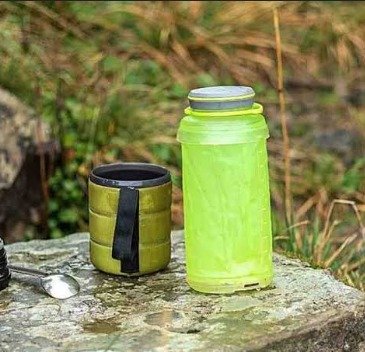
Collapsible bottles can save space when empty, making them useful for travellers and backpackers who need compact storage.
Hikers should also consider water availability and treatment requirements. Streams, lakes, and other natural sources may contain harmful microorganisms, even when the water looks clean. A suitable filtration or purification system may be necessary, and not every filter removes viruses or chemical contamination.
Before visiting remote areas, plan for reliable water sources, changing weather conditions, and emergencies. Carrying extra capacity can be especially important where refill opportunities are uncertain.
SipWaterBottle focuses on helping USA customers compare bottle materials, portability, durability, capacity, and maintenance requirements so they can choose practical outdoor hydration equipment.
Conclusion
Choosing the right water bottle for hiking helps outdoor enthusiasts prepare for comfortable and responsible hydration during short walks, mountain trails, camping trips, and extended adventures.
Important considerations include capacity, durability, weight, leak resistance, drinking convenience, cleaning, and access to safe water.
SipWaterBottle focuses on practical water bottle information for customers across the USA, helping hikers compare reusable hydration products and select suitable options for their outdoor activities.
FAQs
1. What is the best water bottle for hiking?
The best hiking water bottle depends on trail duration, climate, backpack weight, available water sources, and personal preferences. Durable, lightweight, leak-resistant bottles are practical for many outdoor activities.
2. Is a 1-litre water bottle enough for hiking?
A 1-litre bottle may provide useful carrying capacity for some shorter hikes, but it may be insufficient for long, strenuous, or hot-weather routes. Check trail-specific guidance and plan your total water supply accordingly.
3. Are stainless steel water bottles good for hiking?
Yes. Stainless steel bottles offer durability, and insulated versions can help maintain beverage temperature. However, they are usually heavier than comparable lightweight plastic bottles.
4. How does SipWaterBottle help hikers choose the right bottle?
SipWaterBottle focuses on explaining bottle capacity, weight, materials, portability, insulation, cleaning requirements, and outdoor usability to help hikers across the USA make informed hydration choices.