Exploring copper water bottle benefits can help consumers understand why copper bottles have become an interesting alternative to conventional plastic and stainless steel drinking containers. Copper has been used for centuries in water storage, household utensils, and traditional wellness practices. Today, reusable copper bottles attract attention for their distinctive appearance, durability, and natural material properties.
For customers across the USA, choosing a reusable water bottle often involves comparing material quality, convenience, maintenance, portability, and possible health-related advantages. Copper is a naturally occurring metal and an essential trace mineral that contributes to several important functions in the human body.
According to the National Institutes of Health (NIH), copper supports energy production, connective tissue formation, blood vessel development, and normal nervous and immune system functions.
However, these established nutritional benefits do not necessarily mean that drinking from a copper bottle provides additional health advantages. Most people already obtain sufficient copper through a balanced diet, and excess copper exposure can be harmful.
SipWaterBottle focuses on helping customers understand reusable water bottle materials, practical features, and evidence-based considerations before selecting a suitable hydration product.
What Are the Main Copper Water Bottle Benefits?
Natural Copper Properties and Reusable Bottle Advantages
One of the most common questions is, “What are the benefits of drinking water from a copper bottle?”
Copper has several properties that make it an interesting material for reusable drinking containers.
Natural antimicrobial properties: Copper surfaces can have antimicrobial effects under certain conditions. Research has also demonstrated that copper can reduce some microorganisms in controlled water-storage experiments. However, the effectiveness depends on the conditions, and a copper bottle must never be treated as a substitute for properly purified, disinfected, or otherwise safe drinking water.
Reusable and durable construction: A well-made copper bottle can provide a reusable alternative to disposable plastic water bottles. With appropriate maintenance, it may remain useful over an extended period.
Traditional design and appearance: Copper bottles have a distinctive metallic finish that appeals to consumers interested in traditional materials and simple product designs.
Potential recyclability: Copper is a recyclable metal. This can be an advantage when considering material recovery at the end of a product’s useful life, although the overall environmental impact depends on manufacturing, transportation, and actual usage.
Essential mineral properties: Copper is necessary for normal human health, but a bottle is not a reliable or recommended method of controlling daily copper intake.
SipWaterBottle encourages customers to consider these practical characteristics while distinguishing established material properties from unverified wellness claims.
Copper Water Bottle Benefits for Health and Hydration
Is Drinking Water From a Copper Bottle Healthy?
When researching copper water bottle benefits, consumers often encounter claims about improved digestion, immunity, detoxification, metabolism, and skin health.
Although copper is an essential nutrient, strong clinical evidence is lacking that routinely drinking water stored in a copper bottle provides these specific health improvements.
The NIH recommends approximately 900 micrograms of copper daily for most adults. This requirement is generally met through foods such as nuts, seeds, whole grains, legumes, and seafood.
Copper may transfer into water during storage, but the amount depends on factors such as water chemistry, acidity, contact time, and bottle condition. Consequently, storing water in copper does not provide a controlled nutritional dose.
Excessive copper intake can cause nausea, abdominal discomfort, vomiting, and other health problems. Individuals with disorders of copper metabolism, including Wilson disease, need particular caution.
For consumers in the USA, the most dependable hydration benefit comes from drinking enough safe water, regardless of whether the container is made from copper, glass, or stainless steel.
A reusable bottle can make water more convenient to carry throughout the day, but consumers should not assume copper storage makes drinking water healthier.
SipWaterBottle focuses on practical hydration education and responsible product comparisons rather than unsupported medical promises.
How to Choose and Maintain a Copper Water Bottle
Are Copper Water Bottles Safe for Everyday Use?
Understanding copper water bottle benefits also requires knowing how to select and maintain a suitable bottle.
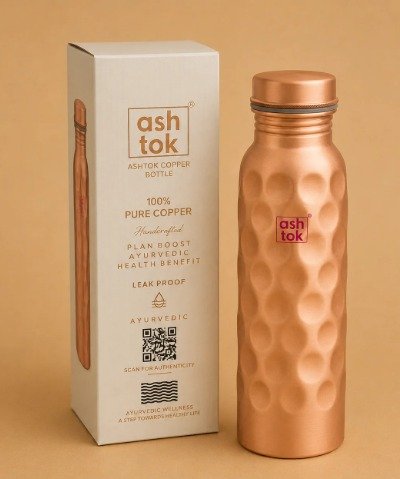
Customers should look for products intended for drinking-water use, clear material specifications, appropriate construction quality, and straightforward cleaning instructions. It is important to determine whether the bottle has an exposed copper interior or a protective lining, as these designs behave differently.
For routine maintenance, follow the manufacturer’s cleaning instructions, wash and dry the bottle regularly, and avoid abrasive tools that could damage its interior.
Acidic beverages such as lemon juice, vinegar-based drinks, or fruit-infused liquids should not be stored in unlined copper bottles because acidity can increase copper release into the liquid.
Visible corrosion, unusual residues, or a strong metallic taste may indicate that the container requires inspection or replacement. Copper bottles should not be used to make questionable water sources safe for consumption.
For everyday activities such as office work, university classes, commuting, and travel, consumers should also consider bottle weight, capacity, leak resistance, and ease of cleaning.
SipWaterBottle helps USA customers understand these considerations when comparing reusable hydration products.
Conclusion
Understanding copper water bottle benefits involves separating practical material advantages from health claims that lack reliable clinical evidence.
Copper offers a reusable design, distinctive appearance, recyclability, and antimicrobial properties under certain conditions. However, drinking from a copper bottle is not proven to improve digestion, immunity, or overall health, and excessive copper exposure can create risks.
SipWaterBottle focuses on helping customers across the USA make informed choices about reusable water bottles, material safety, maintenance, and everyday hydration.
FAQs
1. What are the main benefits of a copper water bottle?
Copper bottles offer reusable construction, a distinctive appearance, and natural antimicrobial properties under certain conditions. However, additional health benefits from drinking copper-stored water have not been reliably established.
2. Is it safe to drink water from a copper bottle every day?
Safety depends on the bottle’s construction, condition, water chemistry, and copper exposure. Drinking water should meet applicable safety standards, and excessive copper intake should be avoided.
3. Can copper water bottles improve digestion and immunity?
There is insufficient reliable clinical evidence that drinking water from copper bottles improves digestion or immunity. Copper is essential for normal bodily functions, but nutritional needs are usually met through food.
4. How does SipWaterBottle help customers choose copper bottles?
SipWaterBottle focuses on explaining bottle materials, construction quality, daily usability, maintenance requirements, and safety considerations so customers can make informed hydration choices.