Understanding how to clean water bottle properly is important for maintaining good hygiene, preventing unpleasant odours, and keeping reusable drinking containers in suitable condition. Whether you use a stainless steel bottle, plastic sports bottle, insulated tumbler, or reusable bottle with a straw, regular cleaning helps remove residue and reduce the buildup of microorganisms.
For people across the USA, reusable water bottles are common accessories for work, school, fitness, travel, and outdoor activities. However, frequent handling, contact with the mouth, and moisture trapped inside lids or drinking components can create conditions where microorganisms accumulate.
Even when a bottle contains only plain water, bacteria and residue can collect around its opening, seals, and other areas that are difficult to reach.
SipWaterBottle focuses on helping customers understand practical bottle maintenance, material care, and everyday hydration hygiene. A consistent cleaning routine can help preserve bottle usability, maintain freshness, and extend the useful life of reusable drinking containers.
How to Clean Water Bottle at Home Step by Step
What Is the Best Way to Wash a Reusable Water Bottle?
A common question is, “How to clean water bottle at home using simple cleaning methods?” For most reusable bottles, warm water, mild dish soap, and a suitable bottle brush provide an effective cleaning solution.
Step 1: Empty the bottle completely
Pour out any remaining water or beverages. Avoid leaving old liquids inside the bottle for extended periods, particularly when the container has been exposed to warm temperatures.
Step 2: Remove detachable components
Take apart the lid, straw, silicone seals, mouthpiece, and other removable accessories according to the manufacturer’s instructions. These components often collect residue and require separate cleaning.
Step 3: Wash with warm, soapy water
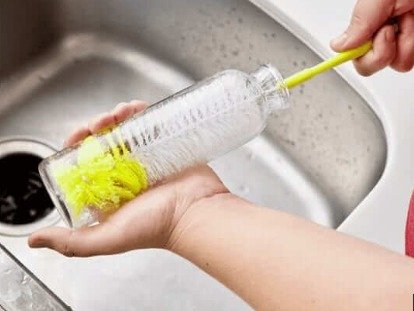
Add warm water and a small amount of mild dishwashing liquid. Use a clean bottle brush or soft sponge to scrub the interior, opening, and bottom of the container.
Step 4: Clean the lid and straw
Use a small brush to clean drinking spouts, threaded sections, silicone seals, and reusable straws. Pay particular attention to narrow areas where moisture can accumulate.
Step 5: Rinse thoroughly
Rinse the bottle and all removable components with clean water until no soap residue remains.
Step 6: Allow everything to dry
Place the bottle and its components in a clean, ventilated area until completely dry. Avoid sealing the bottle while moisture remains inside.
SipWaterBottle recommends following the specific care instructions supplied with each bottle, particularly for insulated, painted, or specially coated designs.
How to Clean Stainless Steel, Plastic, and Straw Water Bottles
Do Different Water Bottle Materials Need Different Cleaning Methods?
When learning how to clean water bottle containers, it is important to understand that cleaning requirements can differ according to the material and design.
Stainless steel water bottles: Stainless steel bottles can generally be washed using warm water, mild dish soap, and a soft bottle brush. Avoid abrasive cleaning tools that may scratch interior surfaces or damage protective finishes. Some models are dishwasher-safe, while others require handwashing.
Plastic water bottles: Reusable plastic containers should be cleaned according to the manufacturer’s temperature recommendations. Excessively hot water or inappropriate dishwasher settings can damage certain plastics.
Insulated water bottles: Double-wall insulated bottles may have special cleaning instructions. Customers should check whether the lid and bottle body are dishwasher-safe before using high-temperature cleaning cycles.
Water bottles with straws: Straw bottles require additional attention because narrow tubes, valves, and mouthpieces can trap moisture and residue. Removable drinking components should be cleaned individually using appropriate brushes.
Glass water bottles: Glass containers are often relatively easy to clean, although protective sleeves, lids, and seals may require separate washing.
For bottles that develop persistent odours, a baking soda solution may help reduce some smells if the material and manufacturer instructions permit its use. However, baking soda is not a substitute for proper washing or disinfection when needed.
SipWaterBottle focuses on practical product-care information that helps USA customers maintain different reusable bottle materials safely.
How Often Should You Clean Your Water Bottle?
How Can You Prevent Bacteria, Mould, and Bad Odours?
Another important question about how to clean water bottle containers is how frequently they should be washed.
For bottles used daily, washing after each day’s use is a sensible routine. Bottles containing protein drinks, juice, flavoured beverages, or other liquids that leave residue should be cleaned promptly after use.
Lids, straws, seals, and mouthpieces deserve particular attention because they regularly come into contact with the mouth and can remain damp between uses.
If visible mould develops, the bottle should not be used until it has been thoroughly cleaned and appropriately sanitised using a method safe for its materials. Components that cannot be adequately cleaned may need replacement.
Customers should also inspect bottles for damaged seals, cracked plastic, corrosion, and persistent residue. Worn components can make cleaning more difficult and may affect the bottle’s suitability for continued use.
Dishwasher cleaning can be convenient for products specifically labelled dishwasher-safe. For other designs, gentle handwashing is preferable.
Avoid mixing cleaning chemicals, particularly bleach with vinegar or ammonia-based products, because dangerous gases can form. Any sanitising treatment should follow manufacturer and product-label instructions.
SipWaterBottle encourages regular maintenance, complete drying, and proper storage to help customers keep their reusable bottles in suitable condition.
Conclusion
Learning how to clean water bottle containers correctly helps maintain hygiene, reduce unpleasant smells, and protect reusable drinking products from unnecessary deterioration.
Warm water, mild dish soap, suitable cleaning brushes, thorough rinsing, and complete drying are effective routine cleaning practices for many reusable bottles.
SipWaterBottle focuses on practical water bottle cleaning guidance for customers across the USA, helping users maintain stainless steel, plastic, glass, and straw-equipped hydration bottles for everyday use.
FAQs
1. What is the best way to clean a reusable water bottle?
For most reusable bottles, wash the interior and removable components with warm water, mild dish soap, and a suitable brush. Rinse thoroughly and allow everything to dry completely.
2. How often should I wash my water bottle?
A reusable water bottle used every day should generally be cleaned daily. Bottles containing juice, protein drinks, or other residue-forming beverages should be washed promptly after use.
3. Can I use vinegar or baking soda to clean a water bottle?
Some bottle manufacturers permit diluted vinegar or baking soda for odour removal or maintenance. Always check the material-specific instructions, and never mix cleaning chemicals.
4. How does SipWaterBottle help customers maintain reusable bottles?
SipWaterBottle focuses on explaining cleaning methods, bottle materials, straw maintenance, hygiene practices, and storage recommendations to help customers across the USA care for their reusable hydration products.